
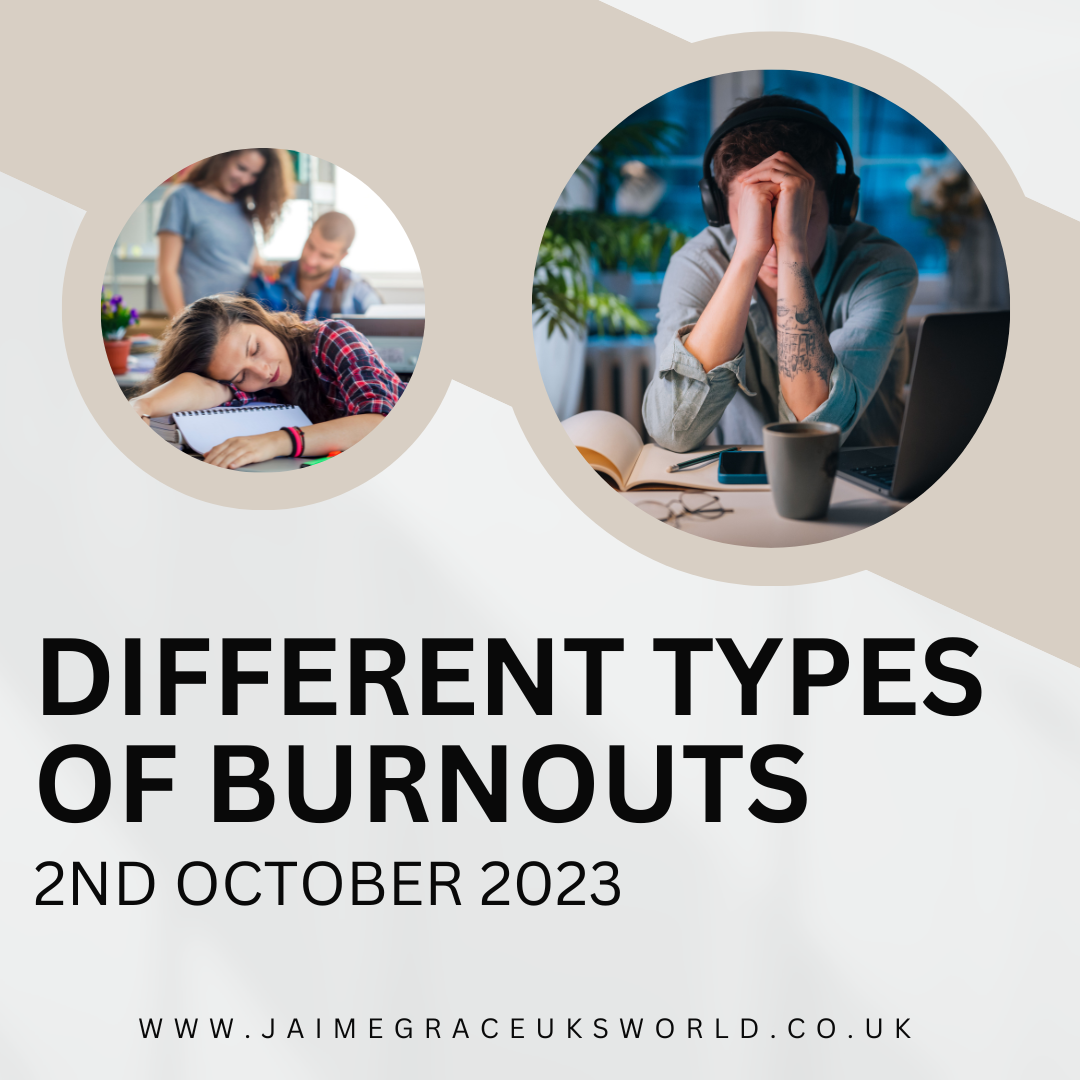
Everyone can have burnouts
Everyone can have a burnout from education to work, but it is a lot more common for neurodivergent people to have burnouts.
Neurodivergent people can have meltdowns for several reasons including sensory and social, but there are many other types of burnouts that can affect neurotypical people as well.
Different types of burnout
Overload
Overload burnout is caused by people working hard. This often comes alongside physical and mental exhaustion. This can affect social life outside of work.
Under-challenged
Under-challenged burnout is when someone is doing too little. It can occur when you are bored and not stimulated in your job, which can lead to a lack of motivation.
Neglect (worn-out)
Neglect burnout is a result from feeling helpless. Neglect burnout occurs when you aren’t given enough structure, direction or guidance in the workplace.
Deadlines
Deadline burnout occurs when specific deadlines are aggressive and impossible to achieve.
Skill Burnout
Skill burnout caused by a mismatch between the skills and the job requirements.
Personal Burnout
Personal burnout is caused by a lack of work-life balance or personal issues.
Signs of burnout
There are many mental, emotional and physical signs of burnout including:
Mental
- Isolation
- Find concentration hard
- Dreading work
- Insomnia/ trouble sleeping
- Feeling defeated
- Loss of interest or pleasure
Emotional
- Stress
- Worried
- Anxious
- Exhaustion
- Change in mood
- Change in behaviour
- Depression
- Short fuse
- Brain fog
- Mood swings
- Negative thoughts
- Reduced self esteem
- Unable to focus
- Avoidance
- Irritability
Physical
- Frequent illness
- Lack of appetite
- Insomnia/ trouble sleeping
- Headaches
- Muscle pain
- Skin reactions
- Feeling dizzy, sick or faint
- Heart racing
- Waking up tired
- Blood pressure too high/low
Want to read about preventing and recovering from burnouts? Have a read of my blog: https://www.jaimegraceuksworld.co.uk/2023/04/how-to-prevent-and-recover-from/


Leave a Reply